Moving to Australia on an employer-sponsored visa is a major achievement. For many skilled professionals, securing sponsorship and starting a new life in Australia is the result of years of hard work and planning.
However, once you settle into your role, a new question often comes up: “What’s my next step?”
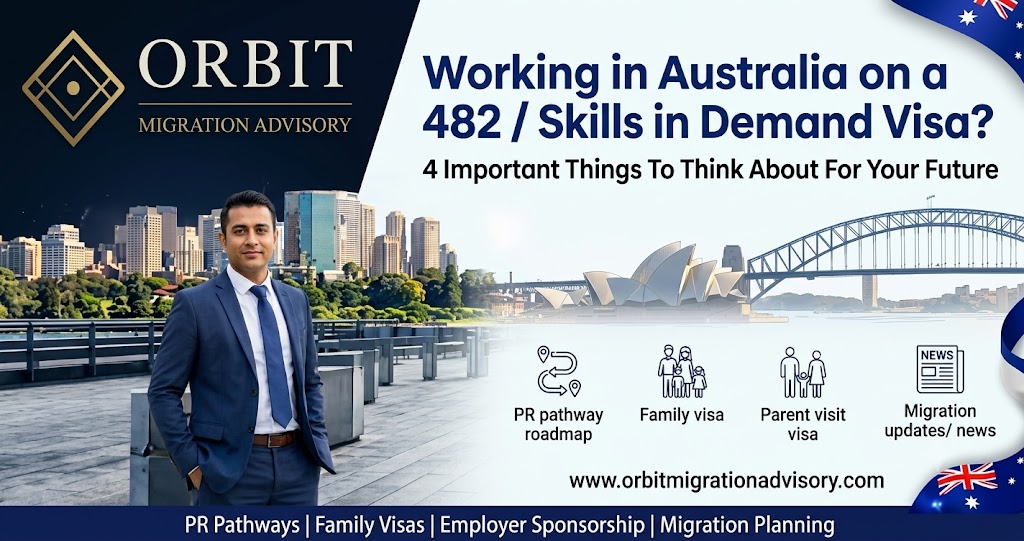
With the transition from the old TSS system to the modern Skills in Demand framework, navigating your long-term migration journey has changed. If you’re currently working in Australia on a sponsored visa, here are four important areas worth thinking about right now.
1. What Is Your Long-Term Permanent Residency Plan
Many professionals focus heavily on settling into their role and daily life, but delay thinking about their long-term future. Waiting until the last minute can drastically limit your choices.
Key elements worth keeping in mind include:
The PR Transition Pathway: Many sponsored workers may become eligible to explore the Employer Nomination Scheme (Subclass 186) pathway after meeting the relevant eligibility requirements, including the current two-year employment requirement under the Temporary Residence Transition (TRT) stream.
The July 1st Salary Threshold: For new nominations lodged on or after 1 July 2026, the Core Skills Income Threshold is indexed to $79,499. Understanding how these changes may affect future plans is important for both employers and sponsored workers.
2. Is Your Family Still Overseas?
One of the most common situations is where the primary visa holder arrives in Australia first while their spouse and children remain overseas.
Many professionals quickly begin exploring:
Dependent visa options
Family settlement planning
Schooling opportunities for children
Aligning future family migration plans
Planning early often makes the process smoother and reduces unnecessary stress later.
3. Have You Planned Ahead for Parent Visits?
Once settled in Australia, many migrants want their parents or relatives to visit. Common reasons include long-overdue family visits, meeting grandchildren, graduation ceremonies, or special family occasions.
Understanding visitor visa options early can help make future travel plans straightforward and easy.
4. Are You Keeping Up With Migration Changes?
Migration rules, occupation lists, sponsorship requirements, and PR pathways evolve constantly.
Staying informed doesn’t just prevent surprises—it helps you identify regional or state nomination opportunities that perfectly align with your points, skills, and long-term goals.
Final Thoughts
Every migration journey is different. Some people focus on career growth, while others focus on bringing family together. The biggest mistake is waiting until your visa situation becomes urgent before exploring your options.
If you’re currently working in Australia and exploring PR pathways, family visa options, or long-term settlement plans, feel free to connect or send me a message. I’d be interested to learn more about your situation and future plans.